The Main South Road between Yankalilla and Cape Jervis is one of South Australia's great scenic drives - windswept pastures, hidden coves, a 170-year-old flour mill, and the southernmost tip of the peninsula where the Heysen Trail begins.
If you ask someone in Adelaide about the Fleurieu, they will almost certainly mention McLaren Vale, Victor Harbor, and the Kangaroo Island ferry. Ask them about the stretch of coast between Yankalilla and Cape Jervis and most will shrug.
This is a mistake. The Main South Road between Normanville and Cape Jervis is one of the most beautiful drives in South Australia - a ribbon of hills and coves and colonial dairy country with almost no traffic. You can do the whole run in a day, with time for two lunches and a swim.
Start at Yankalilla
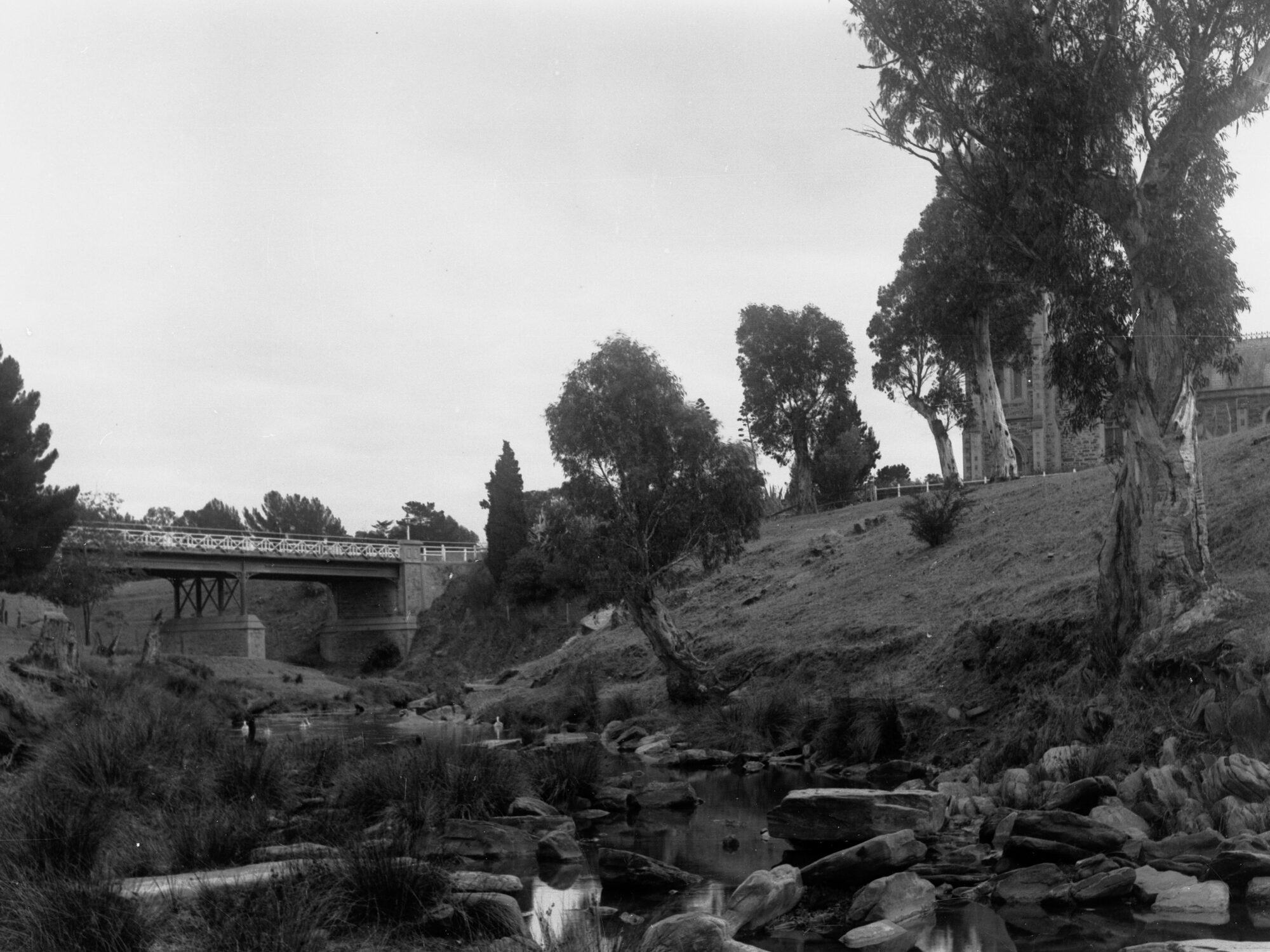
Leave Adelaide by 9am and you'll be in Yankalilla by 10:30. Stop at the Yankalilla Bakery on Main South Road for coffee and a pie (the vanilla slice is state-famous, the meat pies have won national awards). Yankalilla was once considered one of the five major towns of colonial South Australia - hard to believe now, looking at the quiet main street, but the heritage bones of the town are still visible.
Five minutes west is Normanville Beach - one of the longest safe swimming beaches on the peninsula. If it's warm, swim.
Second Valley, Rapid Bay and the coast road
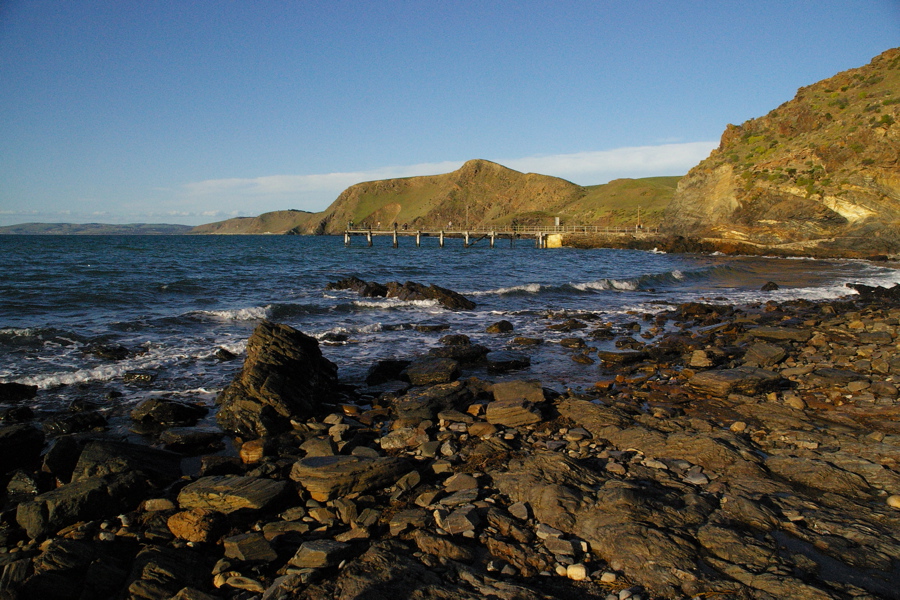
From Normanville, the Main South Road turns south and inland, climbing through green pastoral hills. After about 20 minutes, take the detour to Second Valley - a tiny sandstone cove with a heritage jetty, crystal-clear water, and dramatic folded cliffs. This is one of the most-photographed coastlines in South Australia and it takes about 90 seconds to understand why.
Back on the main road, take the next turn-off for Rapid Bay. The old T-shaped jetty here is famous among divers as one of the best shore-dive sites in Australia (leafy sea dragons live in the pylons below). Even if you don't dive, walk to the end of the active jetty for the view back to the sandstone cliffs.
Lunch at Leonards Mill
Rejoin the Main South Road and drive another five minutes to Leonards Mill at Second Valley. The restaurant occupies a beautifully restored 1854 ironstone flour mill - one of the oldest surviving industrial buildings on the peninsula - and the kitchen serves modern Australian tasting menus that pull hard on local Fleurieu producers. Lunch here is a proper event. Book ahead.
Cape Jervis and the Heysen trailhead
After lunch, drive the final 20 minutes to Cape Jervis. You'll know you are almost there when the road starts to descend and Backstairs Passage opens up in front of you, with Kangaroo Island a grey shape on the horizon.
The Cape Jervis SeaLink ferry terminal is at the end of the road. Park in the carpark, walk over to the Heysen Trail southern trailhead marker - this is the starting (or finishing) point of the 1,200km walking track that runs all the way to the Flinders Ranges. Walk a few hundred metres of the trail along the coast for the view, then turn around.
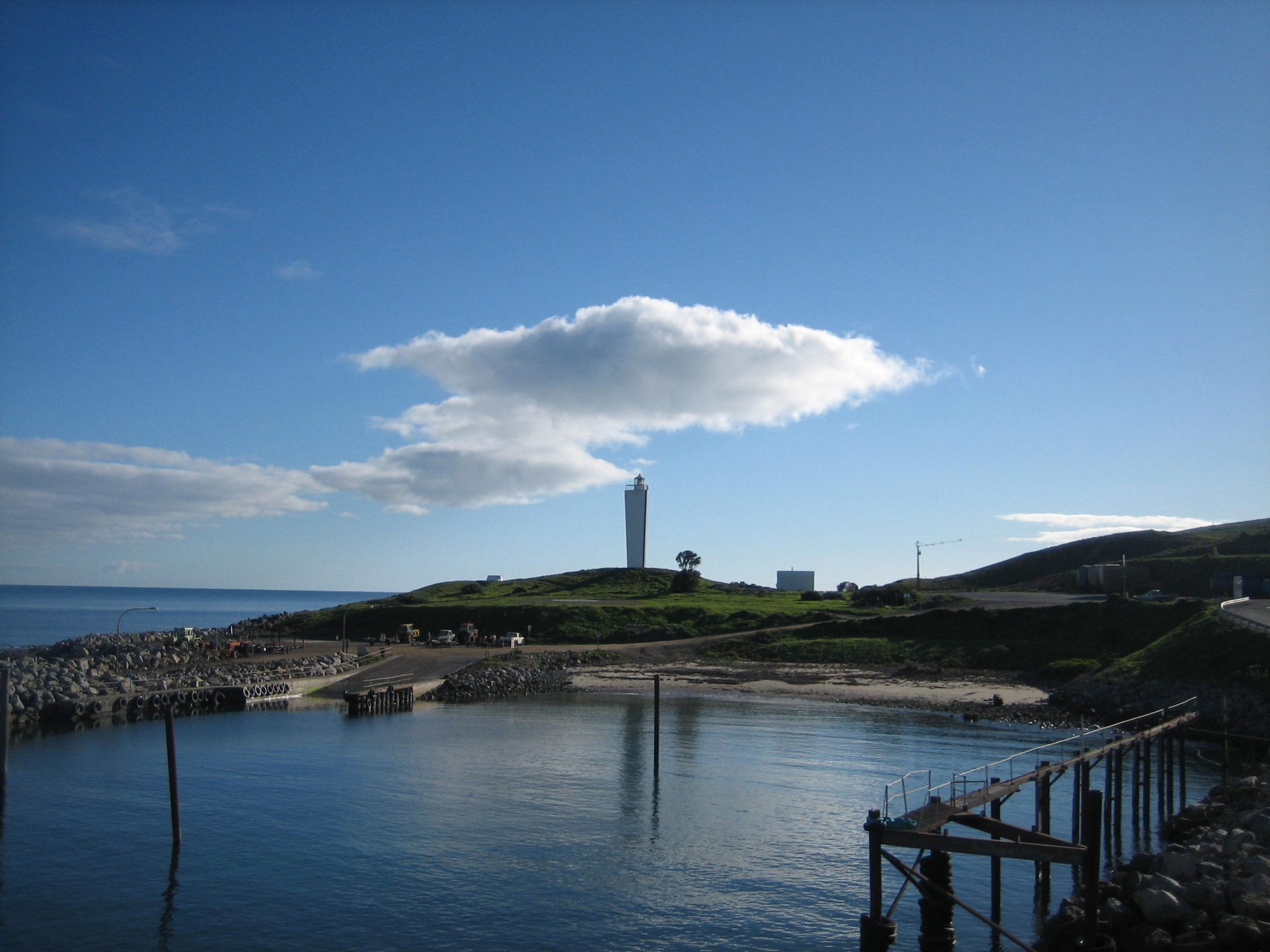
Before you leave, drive up the short hill to the Cape Jervis Lighthouse. The current concrete tower was built in 1972; the original 1871 stone tower stood on the same site until then. The point is usually windswept and slightly wild - exactly what you want from the southern tip of a peninsula.
The drive home
Retrace your steps via the Main South Road back to Yankalilla, then turn left into the Inman Valley for the cross-country return to Victor Harbor - or just continue the Main South Road back to Adelaide. Either way, allow 1.5 hours to drive home from Cape Jervis.
Practical notes
- Leonards Mill is closed Monday and Tuesday. Bookings essential.
- The Kangaroo Island ferry leaves from Cape Jervis - if you have a second day, adding the island is a natural extension
- Bring a jumper - Cape Jervis and Rapid Bay are exposed and the wind off Backstairs Passage gets cold
Places mentioned
Leonards Mill
Myponga & Second Valley

Second Valley Beach
Myponga & Second Valley
Normanville Beach
Normanville & Yankalilla

Rapid Bay
Cape Jervis
Yankalilla Bakery
Normanville & Yankalilla
Heysen Trail - Cape Jervis Trailhead
Cape Jervis

Cape Jervis Lighthouse
Cape Jervis

Yankalilla
Normanville & Yankalilla